Skip to content
Instagram Linkedin Youtube Medium Facebook
SUBSCRIBE
  • Home
  • Magazines
  • C-suite Leaders
  • Long Reads
  • Contact Us
  • Home
  • Magazines
  • C-suite Leaders
  • Long Reads
  • Contact Us
Logo - C Suite Era
  • Home
  • Magazines
  • C-suite Leaders
  • Long Reads
  • Contact Us
  • Home
  • Magazines
  • C-suite Leaders
  • Long Reads
  • Contact Us
Weak US Jobs Report Revives Federal Reserve Debate | C Suite Era Magazine
  • NEWS

Weak US Jobs Report Revives Federal Reserve Debate Over Labor Market Strength

1. Slowing Job Growth Raises Fresh Questions About the US Economy A…

Read MoreWeak US Jobs Report Revives Federal Reserve Debate Over Labor Market Strength
Disruptive Behavior in the Workplace: Causes, Impact, and Effective Management Strategies
  • Uncategorized

Disruptive Behavior in the Workplace: Causes, Impact, and Effective Management Strategies

Workplace success depends on collaboration, mutual respect, and effective communication. However, when…

Read MoreDisruptive Behavior in the Workplace: Causes, Impact, and Effective Management Strategies
US Homeland SecurityUS Homeland Security
  • NEWS

US Homeland Security Investigates Cyber Breach of Information-Sharing Network

1. DHS Launches Investigation Into Security Incident The US Homeland Security has…

Read MoreUS Homeland Security Investigates Cyber Breach of Information-Sharing Network
Why Is Workforce Planning Important?
  • Business

Why Is Workforce Planning Important? A Complete Guide to Building a Future-Ready Organization

In today’s rapidly evolving business landscape, organizations face constant challenges, including technological…

Read MoreWhy Is Workforce Planning Important? A Complete Guide to Building a Future-Ready Organization
Trump Administration Opens Newborn Investment | C Suite Era
  • NEWS

Trump Administration Opens Newborn Investment Accounts to Stock Donations, Expanding Child Wealth Initiative

1. ‘Trump Accounts’ to Accept Stock Donations as National Program Launches The…

Read MoreTrump Administration Opens Newborn Investment Accounts to Stock Donations, Expanding Child Wealth Initiative
Howaida Abdalla | Court & Tribunal Service Centre | Survival into Strength, | C Suite Era
  • Cover Stories

Howaida Abdalla: Turning Survival into Strength, and Strength into Purpose

Some leaders are shaped by boardrooms. Others are shaped by life itself.…
Read MoreHowaida Abdalla: Turning Survival into Strength, and Strength into Purpose
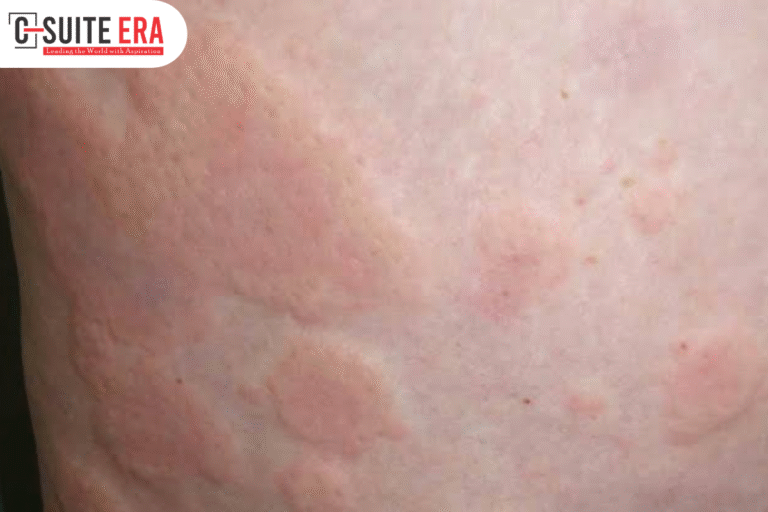
Diseases That Cause Hives in Adults: Understanding the Hidden Health Conditions Behind Chronic Skin Reactions Hives are one of the most common skin conditions experienced by adults. Characterized by raised, itchy, red welts that can appear anywhere on the body, hives may last for a few hours or persist for weeks or even months. While allergic reactions are often considered the primary cause, many people are surprised to learn that several underlying medical conditions can also trigger recurring hives. Understanding the diseases that cause hives in adults is essential for identifying the root cause and receiving appropriate treatment. Persistent or recurring hives should never be ignored, especially when they are accompanied by other symptoms such as joint pain, fever, swelling, or fatigue. This article explores the most common medical conditions associated with adult hives, their symptoms, diagnosis, treatment options, and when it is time to seek medical attention. What Are Hives? Hives, medically known as urticaria, are itchy, raised welts that develop when histamine and other chemicals are released from the skin's mast cells. These welts can vary in size, merge together, and move from one part of the body to another. While acute hives typically resolve within six weeks, chronic hives continue beyond that timeframe and often require a deeper medical evaluation. Although food allergies, medications, insect bites, and environmental triggers are well-known causes, numerous medical disorders can also lead to persistent skin reactions. Common Diseases That Cause Hives in Adults Several underlying health conditions can contribute to chronic or recurring hives. Recognizing these illnesses can help healthcare providers develop an effective treatment plan. 1. Autoimmune Thyroid Disease Autoimmune thyroid disorders such as Hashimoto's thyroiditis and Graves' disease are frequently linked to chronic hives. In these conditions, the immune system mistakenly attacks the thyroid gland, leading to inflammation and hormone imbalance. Many patients experience recurring hives even before thyroid-related symptoms become noticeable. Blood tests evaluating thyroid function and thyroid antibodies are often recommended for adults with unexplained chronic urticaria. Autoimmune thyroid disease is among the most recognized diseases that cause hives in adults, making thyroid screening an important part of diagnosis. 2. Lupus Systemic Lupus Erythematosus (SLE) is a chronic autoimmune disease affecting multiple organs, including the skin. People with lupus may develop persistent hives along with fatigue, joint pain, facial rashes, kidney problems, and sensitivity to sunlight. Because lupus causes widespread immune system dysfunction, skin manifestations like hives may become a recurring symptom during disease flare-ups. 3. Rheumatoid Arthritis Although primarily known as a joint disease, rheumatoid arthritis can also affect the skin. Chronic inflammation associated with this autoimmune disorder may contribute to recurrent hives in some individuals. Patients experiencing joint stiffness together with persistent hives should consult a healthcare professional for a comprehensive evaluation. 4. Viral Infections Many viral infections can trigger temporary hives by activating the immune system. Common examples include: Hepatitis B Hepatitis C Epstein-Barr virus COVID-19 Influenza In some cases, hives may appear before other symptoms develop, making them an early sign of infection. Viral illnesses are among the temporary diseases that cause hives in adults, especially when the immune response is particularly strong. 5. Chronic Bacterial Infections Certain long-term bacterial infections can also stimulate ongoing immune responses that lead to chronic hives. Examples include: Helicobacter pylori infection Dental infections Chronic sinus infections Urinary tract infections Treating the underlying infection often helps reduce or eliminate recurring skin symptoms. 6. Vasculitis Urticarial vasculitis is a rare condition where inflammation affects small blood vessels instead of the skin alone. Unlike ordinary hives, these lesions often remain in the same location for more than 24 hours and may leave bruising or discoloration after healing. People with vasculitis may also experience fever, abdominal pain, joint pain, or kidney involvement, requiring specialist care. Other Medical Conditions Associated with Hives Besides autoimmune diseases and infections, several additional health conditions may contribute to chronic hives: Diabetes-related autoimmune disorders Certain blood cancers Hormonal disorders Chronic kidney disease Liver disease Mast cell disorders Although less common, these illnesses highlight why persistent hives should always receive proper medical assessment. How Doctors Diagnose the Underlying Cause Diagnosing chronic hives involves more than examining the skin. Healthcare providers typically review medical history, current medications, family history, and accompanying symptoms. Diagnostic tests may include: Complete blood count (CBC) Thyroid function tests Autoimmune antibody testing Liver and kidney function tests Infection screening Allergy testing when appropriate Skin biopsy in selected cases Because many diseases that cause hives in adults involve immune system abnormalities, identifying the correct diagnosis may require consultation with dermatologists, allergists, or rheumatologists. Treatment Options Treatment depends on the underlying cause rather than simply relieving the itching. Common management strategies include: Antihistamines Non-drowsy antihistamines are usually the first-line treatment for controlling itching and reducing hive formation. Corticosteroids Short courses of oral steroids may be prescribed during severe flare-ups but are generally not recommended for long-term use. Biologic Therapy For chronic spontaneous urticaria that does not respond to antihistamines, biologic medications may help control symptoms by targeting immune pathways. Treating the Underlying Disease Managing thyroid disorders, autoimmune diseases, infections, or other medical conditions often significantly improves chronic hives. Lifestyle adjustments, stress management, avoiding known triggers, and following treatment plans are equally important components of long-term care. When Should You See a Doctor? Occasional hives that disappear within a day are usually not a cause for concern. However, medical evaluation is recommended if hives: Last longer than six weeks Recur frequently Are associated with fever or joint pain Cause facial or throat swelling Interfere with sleep or daily activities Do not respond to over-the-counter antihistamines Emergency medical attention is necessary if hives occur alongside difficulty breathing, dizziness, swelling of the tongue, or signs of anaphylaxis. Can Chronic Hives Be Prevented? Not all chronic hives can be prevented, especially when linked to autoimmune diseases. However, certain habits may reduce flare-ups: Follow prescribed treatment plans. Avoid known allergens and triggers. Manage stress through relaxation techniques. Maintain good sleep habits. Treat infections promptly. Schedule regular medical checkups for chronic illnesses. While prevention may not always be possible, proper disease management often reduces the frequency and severity of symptoms. Conclusion Hives are more than just an allergic skin reaction. In many cases, they serve as an important clue that an underlying medical condition may be affecting the immune system. From autoimmune thyroid disorders and lupus to chronic infections and vasculitis, numerous diseases that cause hives in adults can contribute to persistent or recurring outbreaks. Recognizing these conditions early allows for timely diagnosis, appropriate treatment, and better long-term outcomes. If hives continue for several weeks or repeatedly return without an obvious trigger, seeking medical evaluation is essential. Rather than treating the symptoms alone, identifying and addressing the underlying disease offers the best chance for lasting relief and improved overall health.
  • Healthcare

Diseases That Cause Hives in Adults: Understanding the Hidden Health Conditions Behind Chronic Skin Reactions

Hives are one of the most common skin conditions experienced by adults.…

Read MoreDiseases That Cause Hives in Adults: Understanding the Hidden Health Conditions Behind Chronic Skin Reactions
Tibetan Activist Dies After Self-Immolation Near UN Headquarters, Renewing Global Focus on Tibet
  • NEWS

Tibetan Activist Dies After Self-Immolation Near UN Headquarters, Renewing Global Focus on Tibet

1. Protest Outside UN Ends in Tragedy A Tibetan activist died after…

Read MoreTibetan Activist Dies After Self-Immolation Near UN Headquarters, Renewing Global Focus on Tibet
Stories from Bible: 10 Inspiring Bible Stories That Continue to Teach Timeless Lessons
  • Education

Stories from Bible: 10 Inspiring Bible Stories That Continue to Teach Timeless Lessons

The Stories from Bible have inspired people for thousands of years. They…

Read MoreStories from Bible: 10 Inspiring Bible Stories That Continue to Teach Timeless Lessons
< class="ct-module-title"> Trending now
Daimler Truck Accelerates €1.1 Billion Buyback North American Recovery | C Suite Era
Daimler Truck Accelerates €1.1 Billion Share Buyback as North American Recovery Strengthens Outlook
Top 10 Most Influential Women Celebrities in the World
Best Website Builders for Small Businesses
Best States in the U.S. to Live In (2025 Edition)

Weekly Insights

Curated content every Tuesday

Executive Network

Join 50,000+ C-level professionals

Market Intelligence

Early access to trends & analysis

Premium Access

Exclusive interviews & reports

Logo - C Suite Era

Csuiteera Magazine is a top business magazine and leading online business magazine that features inspiring success stories, innovative ideas, and global business insights, empowering entrepreneurs and businesses to grow and succeed in today’s competitive world.

Subscribe Now

Offerings

  • Magazines
  • C-suite Interviews
  • Women In The Spotlight
  • Articles
  • Magazines
  • C-suite Interviews
  • Women In The Spotlight
  • Articles

Company

  • Our Editorial Philosophy
  • Refund Policy
  • Terms of Service
  • Privacy Policy
  • Our Editorial Philosophy
  • Refund Policy
  • Terms of Service
  • Privacy Policy

Who We Are

  • Home
  • About Us
  • Contact Us
  • Disclaimer
  • Home
  • About Us
  • Contact Us
  • Disclaimer

Featuring Inspiring Women

© 2025 Csuiteera. All rights reserved.