


1. Parasite’s Closest Advance Yet Sparks Fresh Border Concerns
U.S. agricultural officials have raised new concerns after a dangerous Flesh-Eating Screwworm known as the New World screwworm was detected just 25 miles from the United States border in northern Mexico, marking the closest confirmed case to the U.S. during the current outbreak.
According to the U.S. Department of Agriculture (USDA), the latest case was discovered in a five-year-old goat in Mexico’s Coahuila state. The finding follows another recent detection in a sheep roughly 31 miles from the border, indicating that the parasite continues moving north despite extensive containment efforts by Mexican and U.S. authorities.
U.S. Agriculture Secretary Brooke Rollins described the situation as a serious threat to American livestock, warning that the pest’s continued advance increases the risk of an outbreak crossing into the United States. Officials have been monitoring the screwworm’s movement through Mexico for more than a year as part of a coordinated surveillance effort.
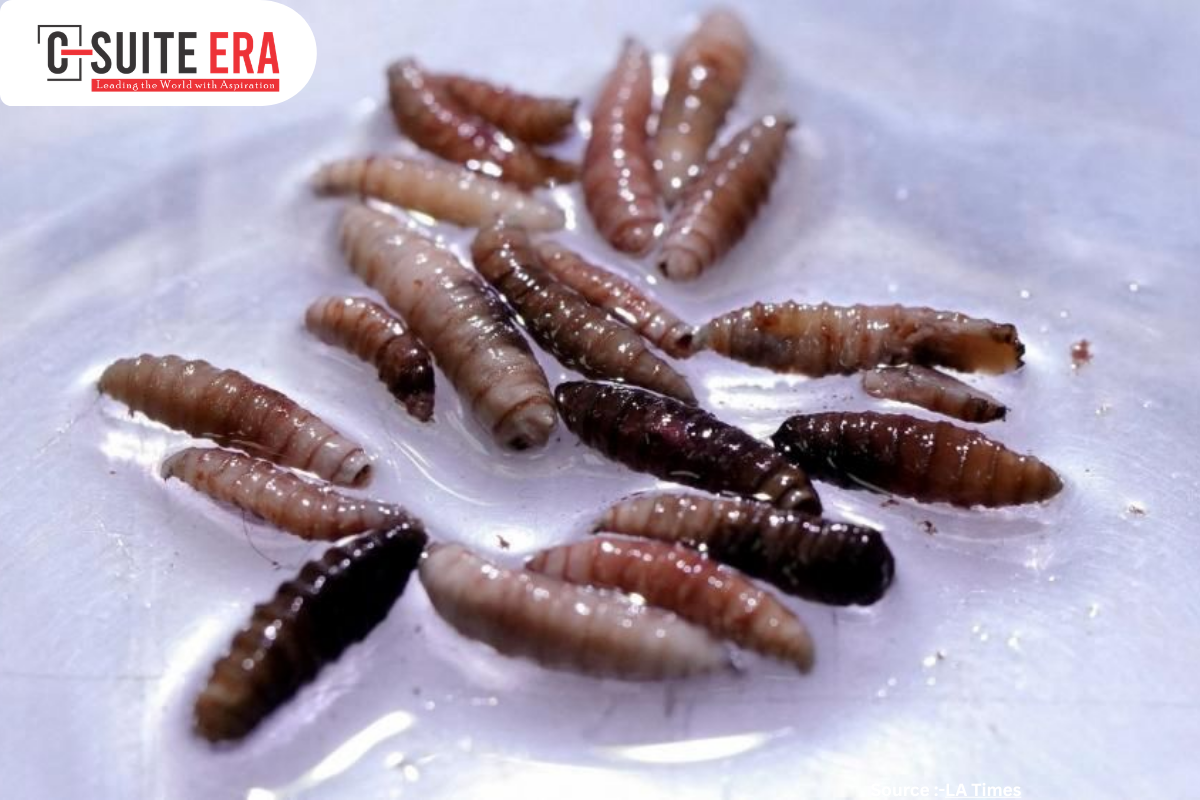
The New World Flesh-Eating Screwworm is not a typical parasite. Unlike flies that feed on dead tissue, female screwworm flies lay eggs in open wounds on living warm-blooded animals. Once hatched, the larvae burrow into living flesh, causing severe injuries that can become fatal if left untreated.
The latest discovery has intensified concerns among ranchers, veterinarians, and agricultural policymakers who fear that a U.S. outbreak could have devastating consequences for the livestock industry.
2. Threat Extends Beyond Animal Health to Economic Stability
Agricultural experts warn that the screwworm poses not only a biological threat but also a significant economic risk, particularly for cattle-producing regions such as Texas.
USDA estimates suggest that a major outbreak could cause approximately $1.8 billion in economic damage to Texas alone through livestock losses, treatment costs, labor expenses, and disruptions to cattle production. The state is the largest cattle-producing region in the United States, making it especially vulnerable to any cross-border spread of the parasite.
The timing is particularly concerning because the U.S. cattle herd is already at its lowest level in roughly 75 years. At the same time, beef prices have reached record highs, placing additional pressure on consumers and producers alike. Experts caution that a screwworm infestation could further reduce cattle supplies and push beef prices even higher across the country.
In response to the growing threat, Washington has maintained restrictions on cattle imports from Mexico for more than a year in an effort to prevent infected animals from entering the United States. The USDA has also invested millions of dollars in facilities designed to breed sterile screwworm flies, a proven method used historically to suppress and eliminate outbreaks. However, several of those facilities are still being developed and are not yet operating at full capacity.
Agricultural organizations have urged authorities to continue aggressive monitoring and rapid-response planning as the parasite moves closer to the border.
3. Authorities Race to Prevent a Return of a Historic Agricultural Threat
The New World Flesh-Eating Screwworm was once a major agricultural problem across the southern United States before eradication programs successfully eliminated it from the country decades ago. The recent resurgence in Central America and Mexico has therefore revived concerns about a pest many believed had been permanently controlled.
Containment efforts rely heavily on surveillance, livestock inspections, movement restrictions, and the release of sterile male flies to interrupt the insect’s reproductive cycle. Experts consider the sterile-fly strategy one of the most effective tools available for combating the parasite on a large scale.
While the current detections remain confined to Mexico, officials stress that the shrinking distance between confirmed cases and the U.S. border leaves little room for complacency. The latest discovery in Coahuila represents the nearest documented case during the present outbreak and suggests that existing containment measures face increasing pressure.
The concern extends beyond cattle. Screwworm infestations can affect a wide range of warm-blooded animals, including sheep, goats, horses, wildlife, pets, and, in rare circumstances, humans. A travel-related human screwworm case linked to the broader Central American outbreak was confirmed in the United States last year, highlighting the parasite’s ability to affect multiple species.
For now, no Flesh-Eating Screwworm cases have been confirmed within the United States. Nevertheless, the parasite’s continued advance toward the border has heightened vigilance across the agricultural sector and reinforced the importance of prevention efforts.
As federal and state authorities intensify monitoring operations, the coming months are likely to be critical in determining whether North America can stop the pest before it reaches U.S. livestock herds. With billions of dollars in agricultural production potentially at stake, officials are treating the latest detection as one of the most significant animal health threats currently facing the country.
Also Read :- Rift Between America’s Top Spy Agencies Raises Concerns Over National Security Coordination